Understanding the Foundations of an Accessible Bathroom Remodel
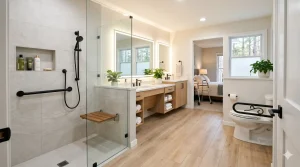
When we talk about an accessible bathroom remodel, we are referring to a specialized design approach that prioritizes safety, independence, and ease of use. It is much more than just installing a few grab bars. It is a comprehensive overhaul of the space to ensure that anyone, regardless of their physical ability or age, can use the bathroom with dignity and minimal risk.
In 2026, the focus has shifted toward universal design principles. This means creating spaces that are inherently accessible to all people without the need for adaptation or specialized design later on. For homeowners in the Nashua, NH area, this often involves converting traditional, high-walled bathtubs into modern, barrier-free showers or installing ADA-compliant fixtures that look as good as they function.
The core objective is to eliminate obstacles. Think about the standard bathroom layout: high thresholds, slippery tiles, narrow doorways, and low seating. An accessible renovation targets these “pain points” to create a seamless environment. Whether it is for a senior looking to age-in-place or a veteran with mobility challenges, these modifications are life-changing investments in residential infrastructure.
Who Specifically Benefits from Bathroom Accessibility Upgrades?
The need for an accessible bathroom remodel often arises from a change in lifestyle or physical health, but proactive planning is becoming the gold standard for savvy homeowners. While the most obvious candidates are those using mobility aids like wheelchairs or walkers, the beneficiary list is actually much broader.
Seniors and Older Adults are the primary demographic. As we move through 2026, “aging in place” has become a priority for families who want to avoid the transition to assisted living. A bathroom designed with senior safety in mind reduces the risk of falls, which are the leading cause of injury-related hospitalizations for those over 65.
Individuals with Disabilities or chronic health conditions also find these remodels essential. Conditions like multiple sclerosis, arthritis, or Parkinson’s can make daily hygiene tasks exhausting or dangerous. By integrating ergonomic bathroom design and low-maintenance materials, we provide a space that supports their daily routines without constant assistance.
Key Groups Seeking Accessibility Solutions
| Group | Primary Need | Solution Example |
| Aging Seniors | Fall Prevention | Grab bars & non-slip flooring |
| Wheelchair Users | Spatial Clearance | Roll-in showers & wider doors |
| Post-Surgery Patients | Temporary Support | Raised toilet seats & handheld sprayers |
| Multi-Generational Families | Universal Ease | Curbless entries & lever-style faucets |
The “Why” Behind Investing in an Accessible Space
Why should a homeowner consider this type of project? Beyond the immediate safety benefits, an accessible bathroom renovation significantly increases the long-term value and versatility of a property. In the modern real estate market, a home that is already equipped for universal access is highly attractive to a wide range of buyers.
From a psychological standpoint, the bathroom is a place of privacy. Losing the ability to use this room independently can be incredibly stressful. By implementing barrier-free design, we restore that sense of autonomy. It is about peace of mind for the individual and their family members, knowing that the environment is “forgiving” and safe.
Furthermore, these renovations address the functional failures of standard construction. Most builder-grade bathrooms are not designed for longevity or varied physical needs. Upgrading to slip-resistant surfaces and reinforced walls for support fixtures ensures the bathroom remains functional for decades, not just years.
The Essential Components of an Accessible Design
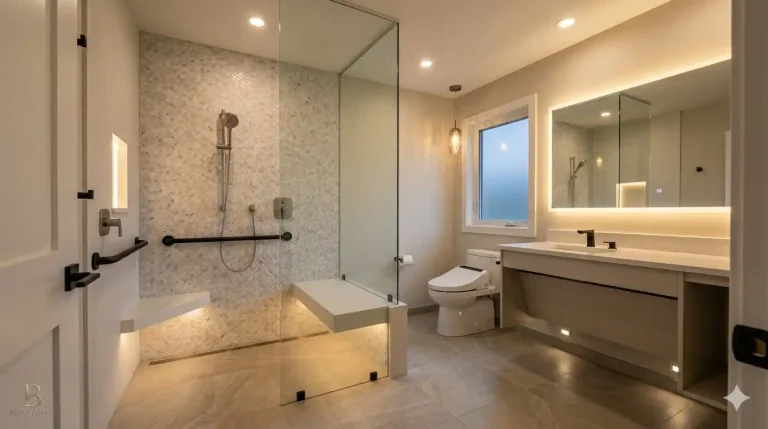
An accessible bathroom remodel is a sum of many parts. It starts with the entry. Standard doors are often too narrow for walkers or wheelchairs, so widening the doorway to at least 32 to 36 inches is a frequent first step. Once inside, the floor plan must allow for a 60-inch turning radius to accommodate mobility devices.
The wet area is the heart of the remodel. Traditional tubs are replaced with walk-in showers or wet room configurations. These designs eliminate the “trip hazard” of the tub wall. We also look at the vanity and sink area. Knee clearance under the sink allows a seated user to wash their hands comfortably, while lever-handle faucets are much easier to operate than traditional twist knobs for those with limited hand strength.
Critical Features for a Safe Bathroom
Curbless Shower Entry: Eliminates the step-over height entirely.
Grab Bar Reinforcement: Structural backing behind walls to support weight.
Anti-Scald Valves: Regulates water temperature to prevent burns.
Comfort Height Toilets: Taller seating to make sitting and standing easier.
Dimmable LED Lighting: Ensures high visibility to prevent trips in the dark.
When is the Right Time to Schedule Your Remodel?
Timing is everything when it comes to home improvement. Many homeowners wait for a crisis, such as a fall or a sudden medical diagnosis, to start searching for a bathroom contractor. However, the best time to remodel is before the need becomes urgent. Planning ahead in 2026 allows for a more thoughtful design process and avoids the stress of a rushed construction schedule.
If you find yourself holding onto the walls for balance, or if stepping over the bathtub rim feels like a workout, the time is now. Early intervention allows you to integrate luxury bathroom aesthetics with accessibility features, so the finished product looks like a high-end spa rather than a clinical hospital room.
Proactive remodeling also ensures that you have the time to choose the best water-resistant materials and custom cabinetry that fits your personal style. It’s about being prepared for the future while enjoying a better, safer bathroom experience today.
How the Remodeling Process Works with BathRefresh LLC
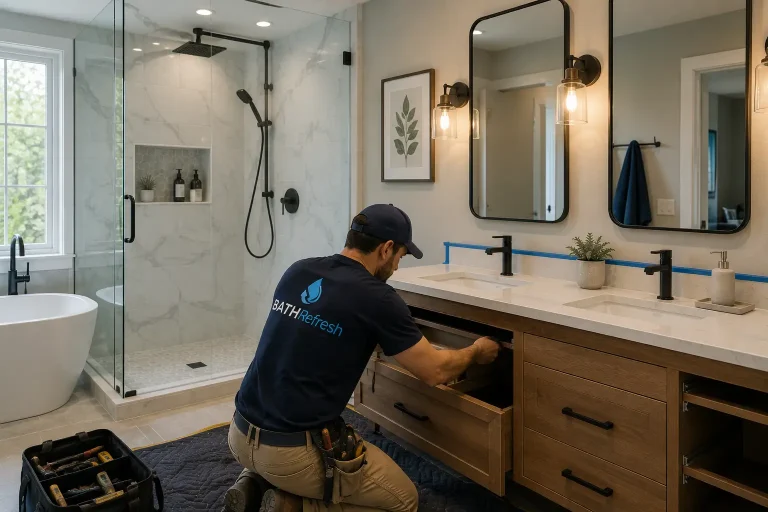
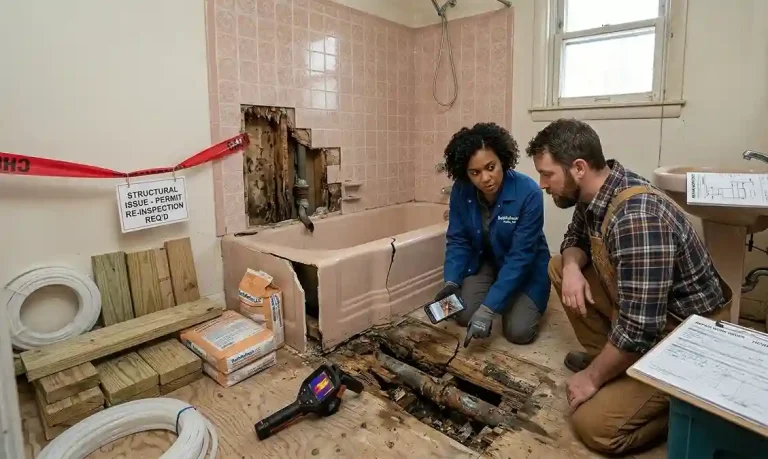
Starting a project might feel overwhelming, but a professional bathroom remodeling company simplifies the journey. The process begins with a detailed consultation to assess the specific mobility needs of the household. We look at the existing plumbing, electrical systems, and structural integrity of the home.
Once the design is finalized, the installation phase begins. For many, a one-day bath remodel is a viable option if the focus is primarily on the tub-to-shower conversion. For more extensive luxury bathroom renovations, the timeline may be longer, but the goal remains the same: minimal disruption to your daily life.
Our team handles everything from demolition and waterproofing to the final fixture installation. We ensure that every element, from the tile layout to the exhaust fan placement, meets rigorous safety standards. The result is a turnkey solution that transforms a hazardous room into a sanctuary of safety.
Where Can You Implement These Accessibility Changes?
While this article focuses on residential homes in New Hampshire and Massachusetts, these principles apply to any bathroom environment. Whether it is a small guest bath or a sprawling master suite, accessibility can be integrated into the existing footprint.
We serve a wide geographic area, including Manchester, NH, Bedford, NH, and Waltham, MA. Each of these areas has unique housing stock, from historic homes with tight spaces to newer builds. Our expertise lies in adapting these diverse structures to meet ADA guidelines and personal comfort requirements.
Regional Service Areas for BathRefresh LLC
| City | Primary Service Focus |
| Nashua, NH | Full Accessible Renovations |
| Hudson, NH | Walk-In Shower Conversions |
| Merrimack, NH | Bathtub Replacements |
| Salem, NH | Senior Safety Upgrades |
Identifying the Signs You Need a Bathroom Update
How do you know if your current bathroom is failing you? There are several “red flags” that indicate a remodel is overdue. Chronic moisture and mold growth are signs of poor ventilation and porous materials, which can create slippery, hazardous surfaces.
If your current fixtures are difficult to clean, or if the lighting is too dim to see clearly, your safety is at risk. Furthermore, if you are avoiding using the bathtub because you are afraid of slipping, you are losing out on the full utility of your home. An accessible bathroom remodel addresses these functional deficits by utilizing slip-resistant flooring and easy-clean acrylic systems.
Choosing the Right Materials for Safety and Style
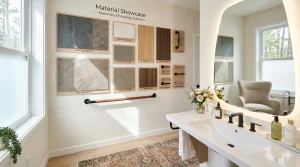
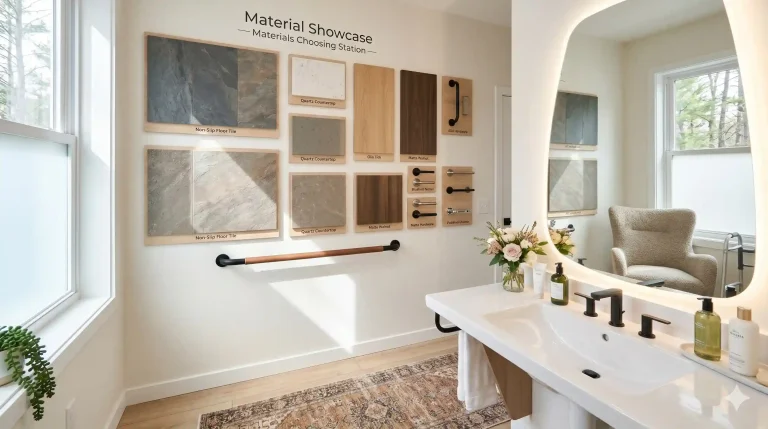
The materials you choose for your accessible bathroom play a huge role in both safety and maintenance. In 2026, we have access to incredible non-porous surfaces that resist bacteria and grime. Textured porcelain tiles provide the necessary grip for wet feet, while solid surface wall panels eliminate grout lines that are difficult to scrub.
For those looking for a luxury bathroom feel, materials like natural stone look-alikes and matte black hardware offer a sophisticated aesthetic without compromising on the “grippability” required for safety. Adjustable shower heads and handheld sprayers should also be chosen for their durability and ease of use, allowing for both seated and standing showering options.
The Role of Lighting and Visibility in Accessibility
Lighting is an often-overlooked aspect of bathroom safety. As we age, our eyes require more light to distinguish depth and contrast. A well-lit bathroom reduces the chance of misjudging the distance to a counter or the edge of a shower.
We recommend a layered lighting approach. Task lighting around the mirror is essential for grooming, while ambient lighting provides overall brightness. Motion-sensor night lights are a fantastic addition for middle-of-the-night bathroom visits, ensuring that the path is always visible without fumbling for a switch. This is a core component of universal design that benefits everyone in the home.
Maximizing Small Spaces for Accessibility
Many homes in New Hampshire have smaller bathrooms where space is at a premium. Creating an accessible bathroom in a tight area requires creative layout planning. Using a wall-hung vanity can open up floor space for a wheelchair user’s footrests.
Pocket doors are another great space-saving solution, as they don’t require the clearance that a swinging door does. By using light colors, large mirrors, and glass shower partitions, we can make a small, accessible bathroom feel much larger and more inviting. It’s all about working smarter with the square footage you have.
How Accessibility Impacts Home Value in 2026
As the population continues to age, homes with accessible features are becoming highly sought after. Real estate experts note that bathrooms and kitchens are the two most important rooms for resale value. By investing in an accessible bathroom remodel now, you are effectively “future-proofing” your home.
Buyers in 2026 are looking for “turnkey” properties where they won’t have to spend money on immediate renovations. Having a high-quality walk-in shower or a bathroom that meets ADA standards makes your property stand out in a competitive market. It is a rare case where a home improvement project offers immediate personal benefit and long-term financial gain.
Frequently Asked Questions About Accessible Remodeling
What is the difference between an accessible bathroom and a standard one?
A standard bathroom is designed for a “typical” user without physical limitations, often featuring high tubs and narrow spaces. An accessible bathroom is engineered to be used by anyone, including those with limited mobility, using wider entries and specialized safety fixtures.
Can I make my bathroom accessible without a full renovation?
Yes, some improvements can be made individually, such as installing grab bars or a raised toilet seat. However, for true safety and barrier-free access, a comprehensive remodel that addresses the floor height and shower entry is usually necessary.
How do I choose a contractor for an accessible project?
Look for a bathroom remodeling contractor with specific experience in aging-in-place and ADA compliance. They should understand the structural requirements for safety fixtures and be able to provide a design that balances functionality with aesthetics.
Conclusion: Taking the Next Step Toward a Safer Home
Investing in an accessible bathroom remodel is a profound way to care for yourself and your loved ones. In 2026, the goal is to transform a room that is often a source of anxiety into a place of comfort and security. By focusing on safety, independence, and modern design, you create a space that serves your needs for years to come, ensuring your home adapts to your lifestyle.
To ensure your bathroom transformation provides maximum security and peace of mind, we focus on:
Preventive Safety Engineering: Don’t wait for a fall to happen before prioritizing your safety. We implement proactive solutions like zero-entry showers and precision-placed support systems that significantly reduce risks.
Functional Independence: Our team specializes in creating beautiful, barrier-free environments that foster autonomy, allowing you to navigate your space with confidence and comfort.
Regional Structural Expertise: Whether you are in Nashua, Manchester, or surrounding communities, we understand the specific architectural demands of New Hampshire homes, delivering high-quality remodeling that improves your quality of life.
Ready to enjoy the peace of mind that comes with a truly accessible and modern home? Contact BathRefresh LLC today to schedule a consultation tailored to your specific needs and see how we can transform your space, or call our local experts directly at: (833) 308-3323
Expert Accessible Bathroom Remodel Services Near You
Choosing a dedicated partner for your accessibility project ensures your home remains a sanctuary of security. BathRefresh LLC provides professional craftsmanship and technical expertise across the region, helping homeowners build a safer future today.
Explore our dedicated service pages to learn more about our accessible solutions in your community:
- Accessible Bathroom Remodel in Nashua, NH
- Accessible Bathroom Remodel in Hollis, NH
- Accessible Bathroom Remodel in Merrimack, NH
- Accessible Bathroom Remodel in Manchester, NH
- Accessible Bathroom Remodel in Bedford, NH
- Accessible Bathroom Remodel in Hudson, NH
- Accessible Bathroom Remodel in Pelham, NH
- Accessible Bathroom Remodel in Salem, NH