How to Choose the Best Bathtub Replacement for Your New Hampshire Home

Choosing the right bathtub replacement affects everyday comfort, safety, and home value. For homeowners in Nashua, Manchester, and Merrimack, a new tub can turn a dated bath into a modern retreat, improve accessibility, and make your bathroom more appealing to future buyers.
This guide helps New Hampshire homeowners pick bathtub replacements that look great, perform reliably, and work within the realities of their existing bathrooms.
You will learn 2026 bathtub trends, material options, layout-driven decisions, design combinations that enhance bathroom appeal, and practical selection methods that reduce risk.
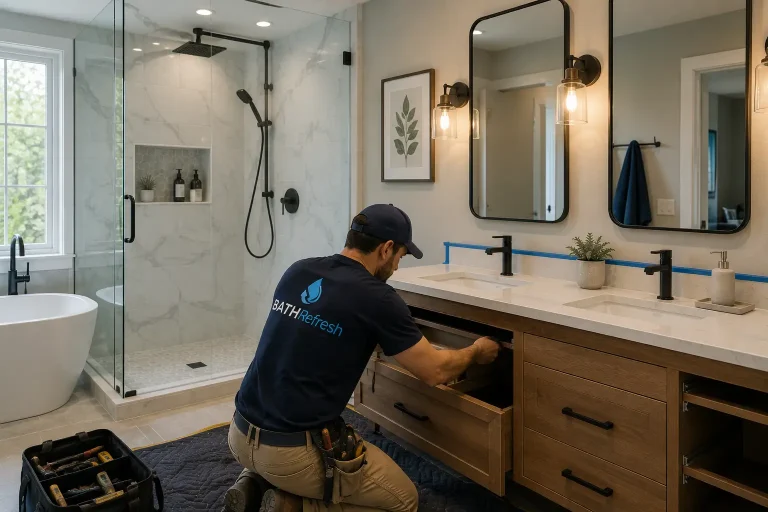
BathRefresh LLC, a local, licensed and insured bathtub replacement company serving Nashua, Manchester, and Merrimack, is mentioned as a nearby expert available for consultations, design help, and full-service installations.
Many homeowners worry that replacing a tub will uncover plumbing surprises, require more demolition than expected, or result in a tub that feels uncomfortable or dates quickly.
This guide offers step-by-step planning tactics and bathroom-aware recommendations so you can choose a bathtub that fits your space, supports your long-term needs, and adds value to your home.
The article maps key decisions across seven major sections: trends for 2026, structural and moisture-driven product attributes, bathroom-layout-driven choices, style and design combinations, comfort and accessibility, sampling and professional consultation, and resale-focused bathtub guidance.
Read on for practical checklists, real-world suggestions, and example combinations that work for small hall bathrooms, primary suites, and remodels in older New Hampshire homes.
What Are the Top Bathtub Replacement Trends for 2026?
Bathtub showroom display featuring modern alcove tubs, freestanding soakers, and walk-in tubs in soft white and matte finishes
Top bathtub replacement trends for 2026 reflect a move toward deeper soaking, easier maintenance, and cleaner lines that work well in both compact and larger bathrooms. These trends balance aesthetics with practical considerations like cleaning, safety, and long-term durability, helping homeowners select tubs that feel inviting and hold up over time.
The list below highlights the most visible trends and why they suit homes in Nashua, Manchester, and Merrimack, with material and configuration examples for reference. After these trend choices, we will examine how bathroom layout and hidden structures should refine your final selection.
2026 bathtub trends combine timeless white finishes and bolder forms that fit New Hampshire lifestyles.
Deep soaking alcove tubs: update tub-shower areas without changing the footprint.
Freestanding tubs in primary suites: create a spa-like focal point where space allows.
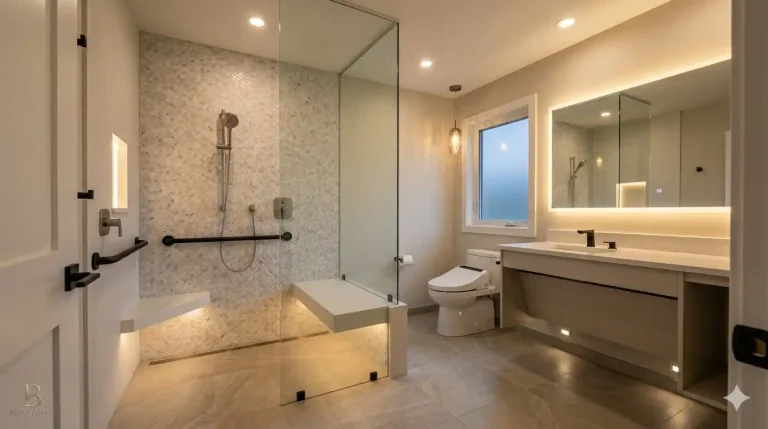
Walk-in bathtubs: support aging-in-place and accessibility for long-term residents.
Acrylic and composite materials: offer warmth, lighter weight, and easy cleaning.
Integrated apron-front designs: deliver a modern look in traditional alcove spaces.
These trends pair design momentum with practicality and resale relevance, guiding homeowners toward options that read well in real bathrooms and suit daily routines.
Which Acrylic, Composite, and Other Bathtub Materials Are Popular This Year?
Acrylic, composite, and other advanced materials remain top choices for New Hampshire bathtub replacements because they balance durability, weight, and comfort. They are particularly effective in homes where existing framing and floors must be respected, such as older properties in Nashua and Manchester.
Acrylic tubs are the most widely used for replacements, offering a smooth, warm-to-the-touch surface that retains heat well. Composites and solid-surface blends are increasingly popular in higher-end projects, delivering a premium feel with excellent durability.
In some traditional homes, cast iron remains desirable for its classic style and longevity, although its weight can require evaluation of existing framing.
Examples that work well include:
Acrylic alcove tubs with integral tile flanges and anti-slip floors.
Solid-surface or composite freestanding soakers with matte finishes.
Updated cast iron tubs in historic homes where structure can support them.
Using high-quality acrylic or composite tubs increases perceived comfort and ease of maintenance while reducing structural stress, and the next section examines freestanding, walk-in, and other configuration-based choices for more expressive projects.
What Are the Trending Freestanding, Walk-In, and Soaking Tub Styles for New Hampshire Homes?
Freestanding and walk-in tub styles are trending for homeowners who want either a spa-like retreat or safety-focused bathroom without sacrificing overall design.
Deeper soaking tubs with ergonomic backrests are being installed more often, even in alcove configurations, to maximize relaxation in the same footprint.
Popular 2026 styles include:
Freestanding oval or slipper tubs in primary bathrooms, often placed under a window.
Compact freestanding tubs designed to fit where standard alcove tubs used to be.
Walk-in bathtubs with low thresholds and built-in seating, ideal for aging-in-place.
Deep-soak alcove tubs with higher side walls and angled backs for comfort.
Freestanding tubs work best in larger bathrooms typically found in newer homes or expanded primary suites in Nashua and Merrimack. Walk-in tubs are especially appealing in homes where long-term accessibility is a priority, allowing homeowners to remain safely in place for years.
Selecting a freestanding, walk-in, or deep-soak family affects plumbing, surround choices, and clearance space, which we will address in the bathroom layout and structural sections that follow.
How Does Your Bathroom’s Structure and Moisture Exposure Affect Bathtub Replacement Choices?
New Hampshire’s mix of older framing, existing tilework, and seasonal humidity changes directly affects how bathtub replacements should be planned, how materials perform, and what product features you should prioritize.
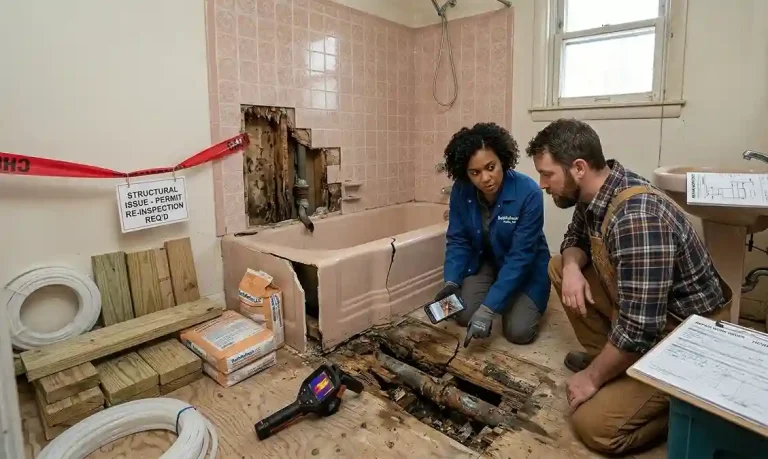
Moisture exposure in a tub and shower area can cause damage behind the walls if waterproofing is not handled correctly, and heavier tubs can strain older floors.
Choosing tubs and installation systems designed with proper waterproofing, weight considerations, and stable support helps extend your bathroom’s life and protect your home.
The table below compares structural and moisture-related attributes and recommended features to help homeowners prioritize specifications when selecting both tub and surround.
Water, steam, and daily use each demand specific product properties to preserve both the tub and surrounding structure.
| Bathtub Attribute | Bathroom Challenge | Recommended Feature |
|---|---|---|
| Waterproofing at walls | Constant water exposure around tub/shower walls | Proper backer board, waterproof membrane, and sealed flanges |
| Subfloor protection | Potential leaks and long-term moisture | Solid tub support, quality drain connections, pan or mortar |
| Weight and framing | Older homes and second-floor bathrooms | Appropriately light materials (e.g., acrylic, composite) |
| Slip resistance | Wet surfaces and family use | Textured, anti-slip tub floors |
| Cleaning and staining | Soap scum and hard water | Smooth, non-porous, stain-resistant finishes |
Selecting tubs and installation methods with these features reduces the risk of hidden damage and helps maintain the bathroom’s appearance over time. The next subsection explains why waterproofing and moisture management around tubs are crucial in more detail.
Why Is Waterproofing and Moisture Management Crucial Around Bathtubs?
Waterproofing and moisture management are vital because even a small weakness at the tub edge, wall, or drain can allow water to reach underlying structures.
Over time, trapped moisture can cause framing rot, subfloor damage, mold growth, and tile failure, all of which are more extensive and costly to repair than the original tub replacement.
A well-planned bathtub replacement includes:
Solid, level support for the tub itself, often in mortar or on a reinforced base.
Moisture-resistant backer boards behind tile or wall panels.
Sealed tub flanges and properly lapped waterproof membranes at the wall-to-tub junction.
High-quality caulking at seams, inspected and replaced as needed over time.
Choosing premium installation systems and working with experienced installers like BathRefresh LLC further improves longevity and reduces the risk of leaks, even in heavily used family bathrooms.
Understanding waterproofing needs naturally leads to decisions about tub configuration and whether your bathroom is better suited to a traditional tub-shower combination or a dedicated soaking tub with a separate shower.
Should You Choose a Tub-Shower Combo or a Dedicated Soaking Tub for Long-Term Comfort and Practicality?
In many New Hampshire homes, especially three-bedroom properties in Nashua, Manchester, and Merrimack, at least one bathroom needs to function as a flexible tub-and-shower combination, particularly for families with children or frequent guests.
In primary bathrooms or larger spaces, a dedicated soaking tub paired with a separate shower can increase comfort and perceived luxury.
Tub-shower combos provide:
Efficient use of space
Broad appeal to future buyers
Versatility for bathing children or pets
Dedicated soaking tubs provide:
Deeper relaxation and comfort
A spa-like feel in a primary suite
A clear design upgrade when paired with a separate walk-in shower
In practice, the recommendation for most homes is to keep at least one tub-shower combo in the house for flexibility and resale, while considering a soaking tub in the primary bath if space and budget allow.
This balance preserves functionality while allowing homeowners to create a more luxurious bathing experience where it matters most.
After weighing tub configuration, you should also consider bathroom style and home architecture to refine tub choices for your specific property.
How Do Bathroom and Home Styles Influence the Best Bathtub Replacement?

Collage of New Hampshire bathroom styles, including a traditional alcove tub, a modern freestanding tub in a primary suite, and a compact tub-shower in a townhouse
Bathroom and home style provide essential context for bathtub decisions because tile choices, vanity design, and overall architecture interact with the tub to create a cohesive impression.
Traditional colonials in Nashua and Manchester may favor clean-lined alcove or drop-in tubs with simple aprons, while newer or remodeled homes in Merrimack often incorporate freestanding tubs in larger, open bathrooms.
Matching the tub style to the home’s character ensures the finished space feels intentional rather than out of place.
The next subsection offers concrete bathtub style recommendations per home type and then explains how fixed bathroom elements like tile and plumbing should guide your final tub selection.
Matching bathtub style to the rest of your home increases visual coherence and protects the bathroom’s long-term appeal.
What Bathtub Styles Complement Common New Hampshire Home Types Like Colonials and New Builds?
Colonial and traditional-style homes in Southern New Hampshire often work best with updated alcove or drop-in tubs that offer clean, modern lines while respecting the home’s classic architecture.
A bright white acrylic alcove tub with a simple front apron and tiled surround can instantly refresh an older bath without feeling out of place.
Craftsman-influenced and farmhouse-style homes look strongest with straightforward, simple tub designs that pair well with shaker-style vanities and neutral tile. Soft white or off-white tubs with subtle details tend to blend seamlessly with these styles.
More modern or recently built homes in Nashua, Manchester, and Merrimack can comfortably support freestanding soaker tubs in primary bathrooms, especially where large windows or open layouts showcase the tub as a focal point. In these cases, sculpted or oval freestanding tubs with matte or soft-gloss finishes feel most current.
Choosing a style-appropriate tub naturally leads to evaluating permanent bathroom elements, which we will cover next.
How Should Fixed Elements Like Plumbing, Tile, and Flooring Affect Your Bathtub Choice?
Fixed elements such as plumbing locations, floor structure, existing tile, and vanity placements set non-negotiable anchors that should guide your bathtub replacement. Matching your new tub to these fixed features minimizes demolition and helps ensure a solid, long-lasting installation.
Begin by considering:
Drain location (left, right, or center) on your existing tub.
Wall locations and stud framing, particularly for alcove installations.
Tile condition and layout, which may determine whether only the tub or both tub and surround should be replaced.
Flooring type and condition, which may be exposed during tub removal.
Use this information to determine if a direct-replacement alcove tub is appropriate or if a larger layout change is justified. Always assess structural conditions and waterproofing details around the existing tub before selecting a significantly heavier model.
With fixed elements assessed, homeowners can more confidently craft bathtub and surround combinations that suit both bathroom context and long-term maintenance.
What Are the Best Bathtub and Surround Combinations to Boost Bathroom Appeal?
Successful bathtub and surround combinations balance a dominant tub choice, a compatible surround material, and small accent details like niche shelving or hardware finishes. They must respect the room’s size, lighting, and existing style.
Choosing combinations that align with good design principles – clean lines, neutral tubs, and restrained accent choices – helps bathrooms either blend in or stand out strategically in a positive way.
Below are tested tub + surround + accent combinations for New Hampshire homes, each paired with example applications to simplify selection. After the list, there is a quick table of tub-to-surround recommendations for practical use.
These combinations prioritize resale-friendly solutions while allowing tasteful customization.
Tub: White acrylic alcove; Surround: White subway tile; Accent: Brushed nickel fixtures.
Tub: Deep-soak acrylic alcove; Surround: Large-format light gray tile; Accent: Matte black fixtures.
Tub: Freestanding oval tub; Surround: Painted smooth walls; Accent: Floor-mounted tub filler in brushed nickel.
Tub: Walk-in tub; Surround: Simple, light-colored wall panels; Accent: Grab bars matching fixture finish.
Tub: Drop-in tub in deck; Surround: Stone-look tile deck and backsplash; Accent: Warm metal fixtures (brushed bronze).
These combinations help homeowners choose solutions that look intentional and market-ready, and the table below provides quick match examples to reference.
| Tub Type | Suggested Surround / Accent | Example Use Case |
|---|---|---|
| White acrylic alcove | Subway tile + brushed nickel | Hall baths, family bathrooms |
| Deep-soak acrylic alcove | Large-format tile + matte black | Updated secondary baths |
| Freestanding tub | Painted walls + floor-mounted filler | Primary suites in newer homes |
| Walk-in tub | Simple panels + matching grab bars | Aging-in-place remodels |
| Drop-in soaker | Stone-look deck + warm metal fixtures | Larger, upscale primary bathrooms |
These pairings are practical starting points; the next section explains how comfort and accessibility considerations can shape decisions for long-term use.
How Can Comfort and Accessibility Help You Plan a Bathtub That Works for Years?
Comfort and accessibility help homeowners choose bathtub configurations that support both current needs and future plans. A tub that is difficult to get into, uncomfortable to sit in, or too shallow for relaxation may be used less than anticipated and may not appeal to future buyers.
For long-term success:
Consider step-over height, especially for seniors or those with mobility concerns.
Evaluate soaking depth for comfort and relaxation.
Think about grab bar placement and slip-resistant floor textures in all tubs, not just walk-in models.
Ensure controls and faucets are reachable from inside and outside the tub.
When deciding whether to blend or emphasize accessibility, consider your household’s age range, whether this is your “forever home,” and potential future buyers’ expectations. Subtle accessibility features often improve day-to-day safety without compromising design.
Understanding comfort and accessibility guides fixture and hardware decisions, which we will make concrete in the following pairing suggestions.
Which Faucet and Hardware Finishes Work Best with Popular Bathtub Styles?
Faucet and hardware choices should either create contrast for modern interest or harmonize for a classic look. High-contrast finishes like matte black or polished chrome suit clean, contemporary tubs, while softer finishes like brushed nickel or bronze pair well with traditional styles.
For white acrylic alcove tubs, brushed nickel is a safe, timeless choice that works with most décor. Matte black adds a modern edge when combined with simple tile. For freestanding tubs, a floor-mounted filler in brushed nickel, chrome, or black can act as a design focal point.
Keep finishes consistent across tub faucets, showerheads, and accessories such as grab bars and towel bars to complete a cohesive bathroom appearance. After selecting combinations, homeowners need reliable methods to test tub size, style, and comfort before committing.
How Can You Test Bathtub Size, Comfort, and Fit—and Benefit from Professional Consultation?
Testing bathtub options before a full replacement reduces functional risk and unexpected dissatisfaction by revealing how a tub feels to sit in, how it fits the room, and how it interacts with existing elements.
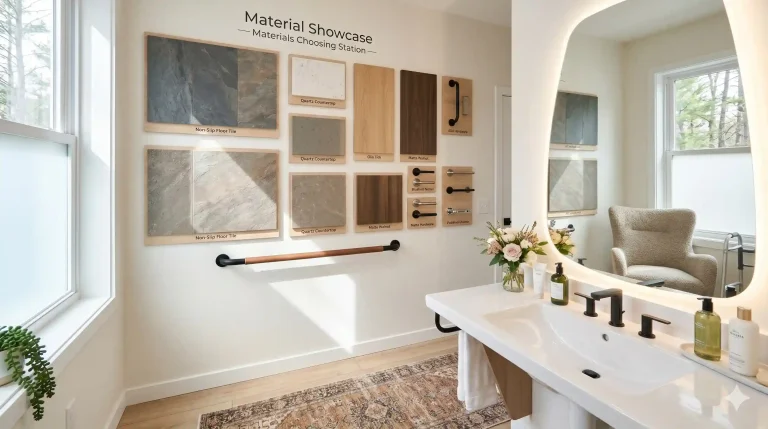
Effective evaluation methods include showroom visits, measuring your existing bathroom carefully, and reviewing drawings or renderings.
The stepwise list below outlines practical testing steps, followed by a brief explanation of how a professional bathtub consultation can streamline and de-risk the process for homeowners seeking expert guidance.
Thoughtful testing transforms bathtub selection from guesswork into informed decisions that respect both your home and your lifestyle.
Measure your current tub and bathroom (length, width, ceiling height, and door openings).
List must-have features, such as soaking depth, slip resistance, or walk-in access.
Sit in similar tubs at a showroom, noting comfort, back support, and legroom.
Compare specifications (dimensions, materials, drain location) to your existing space.
Review mockups or layout sketches if you’re changing tub type or location.
These steps create reliable comparisons; next we include required messaging about professional consultation followed immediately by company-specific context.
Educate and guide homeowners about residential bathtub replacement solutions while positioning BathRefresh LLC as a reliable, top-rated contractor in Southern New Hampshire.
BathRefresh LLC offers structured bathtub replacement consultations that help homeowners convert measurements, comfort preferences, and design goals into a final product selection, and their process emphasizes local home knowledge and quality installation.
The company is based in the region, serves Nashua, Manchester, and Merrimack, is licensed and insured, and uses reputable brands and modern installation practices.
Their approach often includes a free estimate and an in-home assessment as part of a comprehensive multi-step process, and they back their work with a written warranty to provide extra homeowner confidence.
Engaging a professional consultant shortens decision timelines, reduces installation risk, and helps ensure the chosen tub, surround, and waterproofing system will perform well over time.
Professional consultation clarifies product selection and pairs chosen tubs with the right installation methods to maximize longevity.
Bathtub Durability and Performance Testing
In industry evaluations comparing residential bathtub materials, manufacturers test for impact resistance, stain resistance, surface gloss retention, and resistance to thermal shock.
These tests, performed on acrylic, composite, fiberglass, and cast iron materials, help predict how tubs will perform under repeated use, cleaning, and changes in water temperature.
While no single test can replicate every household’s conditions, the data consistently show that higher-grade acrylics and solid-surface composites tend to maintain their appearance and structural integrity better over time than lower-cost fiberglass-only units in heavily used bathrooms.
This supports the recommendation that homeowners planning a long-term stay in their home consider higher-quality materials and professionally installed systems when undertaking a bathtub replacement.
What Are the Best Methods to Evaluate Bathtub Options Before Finalizing Your Choice?

The best evaluation methods involve real-world fit checks, comfort testing, and compatibility reviews with your existing bathroom features. This means going beyond catalog images and considering how the tub will feel in daily use.
Helpful methods include:
Creating a simple floor plan and marking tub dimensions with painter’s tape on the floor.
Checking clearances for doors, toilets, and vanities when the tub is in place.
Considering reach to faucets and controls from both inside and outside the tub.
Ensuring adequate access for future plumbing maintenance.
Recording your observations with notes and photos enables side-by-side comparison and provides clear input for a contractor if you choose to work with one.
Testing tubs in this structured way gives actionable evidence to finalize a selection and informs installation-specific choices for durability and warranty coverage.
How Does BathRefresh LLC’s Bathtub Replacement Process Enhance Your Project?
BathRefresh LLC’s bathtub replacement process combines local construction knowledge with specialized installation skills to reduce stress, protect your home, and align your new tub with long-term performance goals.
The company is licensed and insured, serves homeowners in Nashua, Manchester, Merrimack, and surrounding Southern New Hampshire communities, uses quality materials, offers written warranties, and follows a clear, professional workflow. These features help homeowners choose tub types and installation systems that stand up to daily bathing and showering.
Their comprehensive process typically includes:
Free estimate and in-home consultation to assess space, structure, and goals.
Guidance on tub style, size, and material suited to your layout and budget priorities.
Thoughtful demolition and removal of the old tub with minimal disruption.
Careful waterproofing and installation, including backer boards and sealed flanges.
Final walkthrough and education on maintenance and caulk inspection.
A professional installation ties your chosen tub to the right waterproofing, support, and plumbing methods, minimizing surprises after you begin using the new bath.
Which Bathtub Choices Maximize Home Resale Value in New Hampshire?
Bathtub choices that maximize resale value in New Hampshire tend to be white, clean-lined, and easy to maintain, because they appeal to the broadest range of buyers and complement a variety of bathroom styles.
These options communicate a well-cared-for home and reduce the psychological “to-do list” for potential buyers.
The table below summarizes bathtub choices, their resale impact, and recommendations so homeowners can prioritize options that both protect their investment and enhance buyer perception.
Neutral and practical bathtub choices generally deliver the strongest resale return in Southern New Hampshire’s market.
| Bathtub Choice | Resale Impact | Recommendation / Rationale |
|---|---|---|
| White acrylic alcove tub | High | Works in most homes; easy for buyers to accept and maintain |
| Deep-soak alcove tub | High | Feels upgraded while using familiar footprint |
| Simple freestanding tub (primary) | High | Adds luxury focal point in larger primary bathrooms |
| Walk-in tub | Moderate | Valuable for accessibility-focused buyers; niche appeal |
| Colored or themed tubs | Low | May limit buyer pool and suggest future replacement |
Choosing these neutral, widely appealing bathtub types increases buyer interest and reduces the need for last-minute bathroom renovations before listing. The following subsections list recommended strategies and cautions.
What Bathtub Replacement Strategies Are Recommended to Increase Resale Appeal?
To increase resale appeal, prioritize simple, white or off-white tubs with clean lines, slip-resistant floors, and reliable waterproofing. In hall and family bathrooms, an updated alcove tub with a bright, neutral surround is often the strongest choice.
In primary bathrooms with sufficient space, adding or maintaining a freestanding soaking tub alongside a separate shower can be highly attractive to buyers.
Specific approaches include:
Replacing an aged or stained tub with a new white acrylic alcove unit.
Choosing a modern apron-front design that quickly updates older surrounds.
Using neutral tile or panels that future buyers can easily style.
Minimal, tasteful personality can be introduced through fixtures, paint color, and accessories rather than permanent tub color or highly specific styling. This helps prospective buyers imagine personalizing the bathroom while seeing a neutral, move-in-ready space.
Which Bathtub Options Should You Avoid to Prevent Lowering Your Home’s Market Value?
Avoid tubs that are overly customized, difficult to access, or significantly mismatched with the bathroom’s size or style. Extremely large tubs that dominate small rooms, unusual colors, or outdated whirlpool tubs with many exposed jets can reduce broad market appeal and cause buyers to mentally budget for replacement.
Other risky choices include:
Very dark tubs that show soap scum and scratches readily.
Highly ornate styles in small or simple bathrooms.
Older-style jetted tubs when most buyers now prefer quiet soaking tubs.
Exceptions may exist in highly specialized or luxury markets, but in typical Southern New Hampshire neighborhoods, conservative bathtub choices and clean, simple lines reduce the risk of lowering perceived value.
When in doubt, ask an experienced local contractor or real estate professional for input on buyer expectations in your area.
Keeping resale-focused strategies in mind, pairing a neutral tub type with quality installation and waterproofing further protects both appearance and long-term value.
BathRefresh LLC is a local company serving Nashua, Manchester, and Merrimack, is licensed and insured, uses reputable products, and offers written warranties and a structured process to ensure bathtub replacements align with durability and resale goals.
For homeowners ready to explore options, requesting a free estimate and consultation through a local professional can streamline decisions and tie aesthetic choices to appropriate, long-lasting installation methods.
This final local call-to-action invites homeowners to get a professional review and estimate to turn their chosen bathtub options into a polished, resale-friendly finished bathroom.
Frequently Asked Questions
What is the typical timeline for a bathtub replacement?
Most straightforward bathtub replacements (where the new tub fits the existing alcove and plumbing stays in the same place) can be completed in about a day once work begins, not including any additional tile or surround updates. More complex projects that involve layout changes, structural reinforcement, or custom surrounds will add time.
Do I have to replace my tile when I replace my bathtub?
Not always. In some cases, an alcove tub can be replaced while preserving existing wall tile, but this depends on tile condition, waterproofing, and how the old tub was installed. Many homeowners choose to replace both tub and surround at the same time for a fully updated look and better moisture protection.
Is a walk-in tub a good investment?
A walk-in tub can be an excellent investment for homeowners planning to age in place, or for those with mobility challenges. While it may not appeal to every buyer, it can be a strong selling point for a segment of the market and can allow safe, independent bathing for many years.
Can I convert a tub-shower combo to a shower-only?
Yes, many homeowners convert alcove tub-shower combos to larger walk-in showers. However, it is often wise to keep at least one tub in the home (especially in family-friendly markets like Nashua, Manchester, and Merrimack) for bathing children and for resale flexibility.
How do I know if my floor can support a heavier tub?
A professional contractor can evaluate your existing framing, subfloor, and bathroom location to determine whether additional reinforcement is needed. This is especially important for cast iron tubs and some solid-surface freestanding models installed on second floors or in older homes.
What kind of maintenance does a new acrylic or composite tub require?
Routine maintenance typically involves gentle cleaning with non-abrasive cleaners to remove soap scum and prevent buildup. Harsh scrub pads or highly abrasive powders should be avoided to protect the finish. Periodic inspection and re-caulking at seams also helps maintain waterproofing.
Do I need a permit for a bathtub replacement?
Permit requirements vary by municipality and project scope. Straightforward replacements without major plumbing changes may not always require a permit, while larger renovations often do. Working with a licensed contractor like BathRefresh LLC helps ensure compliance with local codes.
Conclusion: A Strategic Upgrade for Your Home
Choosing the right bathtub replacement for your New Hampshire home enhances more than just comfort; it is a strategic investment in safety and long-term property value. By understanding 2026 material trends, layout constraints, and the critical role of waterproofing, you can make informed decisions that align with both your personal style and practical daily needs.
To ensure your bathroom transformation is durable and high-performing, we focus on:
Structural Integration: We ensure your new tub is perfectly matched to your bathroom’s existing structure, addressing floor support and plumbing alignment to prevent future leaks or settling.
Advanced Waterproofing: At BathRefresh LLC, we prioritize technical precision during installation, utilizing superior sealing techniques that protect your home from moisture damage and mold.
Personalized Comfort and Safety: Our experts help you navigate tub selections that balance aesthetic appeal with ergonomic safety features, turning your vision into a lasting, comfortable reality.
Ready to refresh your bathroom with a high-quality tub replacement that stands the test of time? Contact BathRefresh LLC today to request your free estimate and professional consultation, or call our local team directly at: (833) 308-3323